

Minneapolis summers can be genuinely demanding on residential cooling systems, and when an AC unit starts falling behind on a hot July afternoon, something is usually wrong beneath the surface. One of the more common culprits behind a system that runs constantly but fails to cool properly is low refrigerant, often referred to as Freon. In our service calls throughout Minneapolis, from homes in the Linden Hills neighborhood to properties near Northeast, our team at O’Boys Plumbing, Heating & Air has diagnosed refrigerant-related issues in every variety of system. Understanding the warning signs, what happens when the problem is ignored, and when to call for professional help can save you from a preventable system failure in the middle of peak cooling season. Our AC repair services are available 24/7, so whenever your system starts showing these signs, help is always a call away.
Signs Your AC System Is Low on Freon
Refrigerant does not deplete through normal operation the way fuel does in an engine. If your system is low on Freon, it means there is a leak somewhere in the refrigerant circuit. Recognizing the symptoms early gives you the best chance of catching the problem before it causes more serious damage.
Warm or Inconsistent Cooling is usually the first thing homeowners notice. If certain rooms feel warmer than they should, or if the air coming from your vents is not as cold as you expect despite the system running continuously, reduced refrigerant charge is a likely explanation. The system simply cannot absorb and transfer heat efficiently when refrigerant levels drop below the designed operating range.
Hissing or Bubbling Sounds near the indoor or outdoor unit are worth paying close attention to. These noises often indicate refrigerant escaping through a crack or a failing connection in the refrigerant lines. Not all leaks produce audible sounds, but when they do, it is a clear signal to have the system inspected promptly.
Unexplained Energy Bill Increases that appear without any change in usage habits suggest the system is working harder than normal to maintain the set temperature. A low refrigerant charge forces the equipment to run longer cycles to achieve the same cooling output, which drives up energy consumption directly.
Ice Forming on the Evaporator Coils is a counterintuitive but reliable indicator of low refrigerant. When refrigerant levels drop, the coil temperature falls below the dew point of the surrounding air and moisture freezes on the coil surface. This ice accumulation further restricts airflow and compounds the cooling problem, often leading to a complete loss of cooling if the system continues to run in that condition.
Step-by-Step Guide to Detecting Freon Leaks
When the signs above are present, a more systematic check can help confirm whether a refrigerant leak is involved before calling for service.
Start with a visual inspection of both the indoor air handler and the outdoor condenser unit. Look for oily residue around refrigerant line connections and fittings. Refrigerant oil travels with the refrigerant through the system and leaves a visible oily film at the point where it escapes. Frost accumulation on the refrigerant lines or the outdoor unit outside of normal operation is another visual indicator worth noting.
Listen carefully near the refrigerant lines and the unit itself during operation. Hissing or bubbling sounds, even faint ones, can point toward the leak location. For homeowners who want a more definitive confirmation before calling a technician, leak detection kits are available at hardware stores. These typically involve a UV dye that circulates through the system and fluoresces under a UV light at the leak point, providing a clear visual of where the escape is occurring.
Monitoring system performance over several days is also informative. A system that progressively loses cooling capacity, takes increasingly longer to reach the set temperature, or begins showing the ice accumulation described above is demonstrating the pattern consistent with an active refrigerant leak. Scheduling regular AC maintenance is one of the most reliable ways to catch refrigerant issues before they reach this stage.
Why Regular AC Check-Ups Matter
Freon leaks rarely announce themselves dramatically. More often, they develop gradually, and performance deteriorates slowly enough that homeowners attribute the change to weather or aging equipment rather than a specific problem. Regular professional check-ups close that gap by catching developing issues before they reach the point of noticeable performance loss.
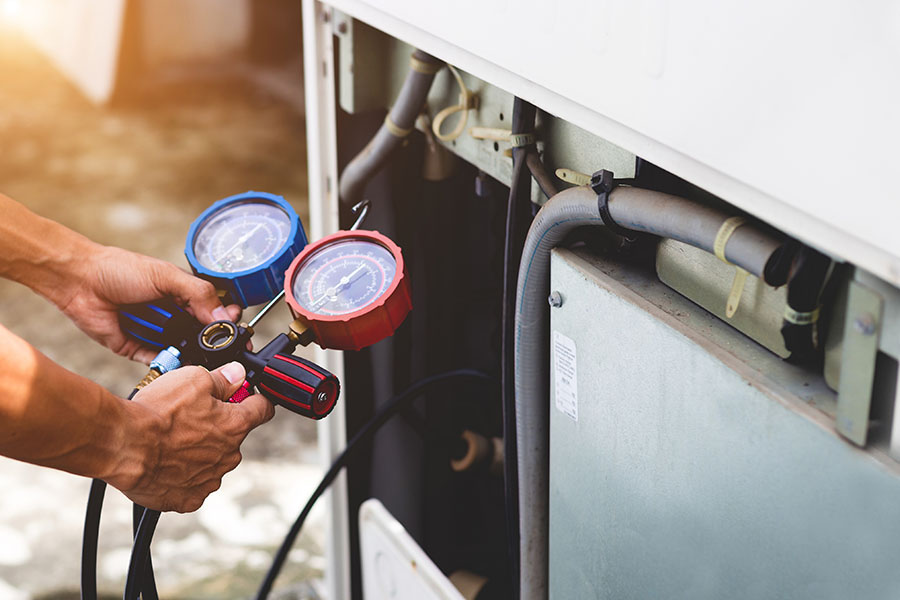
During a routine inspection, certified technicians check refrigerant levels and inspect the system for signs of leaks, worn components, and other developing issues. Monitoring coolant levels at each service visit provides a baseline that makes it immediately apparent if levels have shifted between visits, which is a reliable indicator of a slow leak even before symptoms appear indoors.
Beyond refrigerant, regular check-ups address the full range of factors that affect system efficiency and longevity: coil cleanliness, electrical connections, capacitor condition, and airflow through filters and the outdoor unit. Scheduling a professional AC tune-up before each cooling season is the single most effective habit a Minneapolis homeowner can build to protect their system investment and avoid mid-season failures.
At O’Boys Plumbing, Heating & Air, we are a family-owned company with over 25 years of experience serving the Minneapolis area, and our team is dedicated to the kind of personalized, thorough service that keeps systems running efficiently year after year.
Consequences of Not Recharging Freon
Allowing a refrigerant leak to go unaddressed sets off a chain of consequences that extends well beyond reduced cooling comfort.
The compressor is the component most at risk when refrigerant levels are low. It is designed to compress refrigerant gas at a specific charge, and when that charge is reduced, the compressor operates under conditions it was not engineered for. Over time, this accelerates wear on internal components and can lead to compressor failure, which is one of the most expensive repairs in any AC system and often the point at which full system replacement becomes the more economical choice.
Energy costs rise progressively as the system compensates for reduced efficiency by running longer cycles. Ice accumulation on the evaporator coil, left unaddressed, can cause the coil to block airflow entirely and potentially damage the blower motor. And throughout this process, indoor comfort continues to deteriorate on exactly the days when the system is needed most.
Addressing a refrigerant issue promptly, before compressor stress becomes cumulative damage, is always the less expensive path. Regular maintenance that includes AC capacitor replacement and other component checks as part of a comprehensive service visit helps ensure no single issue is allowed to compound into something more serious.
When to Call O’Boys for AC Help
Some AC issues allow for a brief period of monitoring, but refrigerant-related symptoms generally warrant a prompt professional response. The longer a system runs with low refrigerant, the greater the cumulative stress on the compressor and the higher the likelihood that a repair that would have been straightforward becomes significantly more complex.
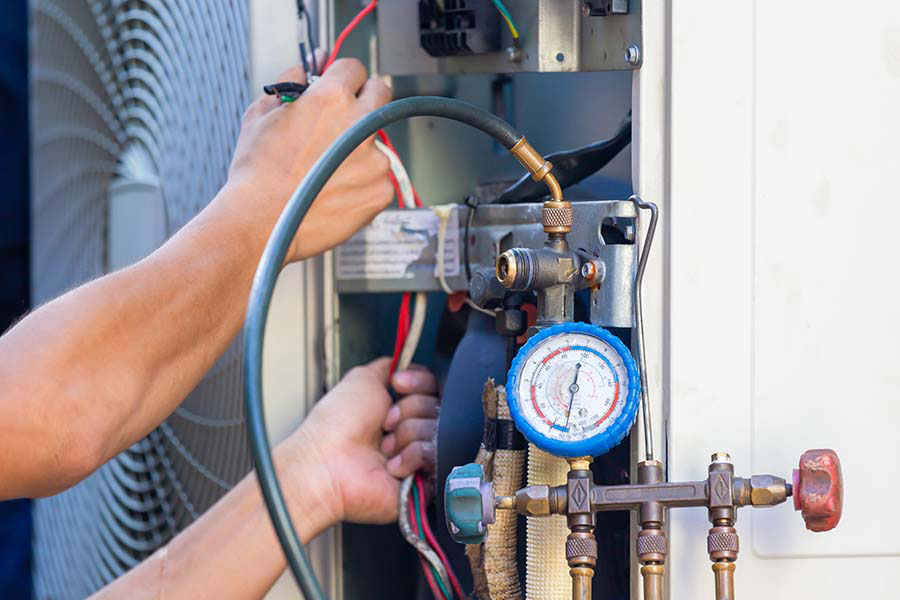
If you are experiencing inconsistent cooling, hearing unusual sounds from the unit, noticing ice on the coils, or seeing energy bills climb without explanation, those are your signals to call for service rather than wait and see. Our certified technicians can diagnose the issue accurately, locate and repair the leak, and recharge the system to the correct operating specification.
With over 25 years of experience serving Minneapolis homeowners and same-day emergency service availability, O’Boys Plumbing, Heating & Air is equipped to get your system back to full performance efficiently and reliably. Our team is available around the clock, every day of the week, because a failing AC system in a Minneapolis summer is not a problem that can wait for a convenient appointment window. Contact our team today and let us restore your home’s comfort before the heat becomes unbearable.