

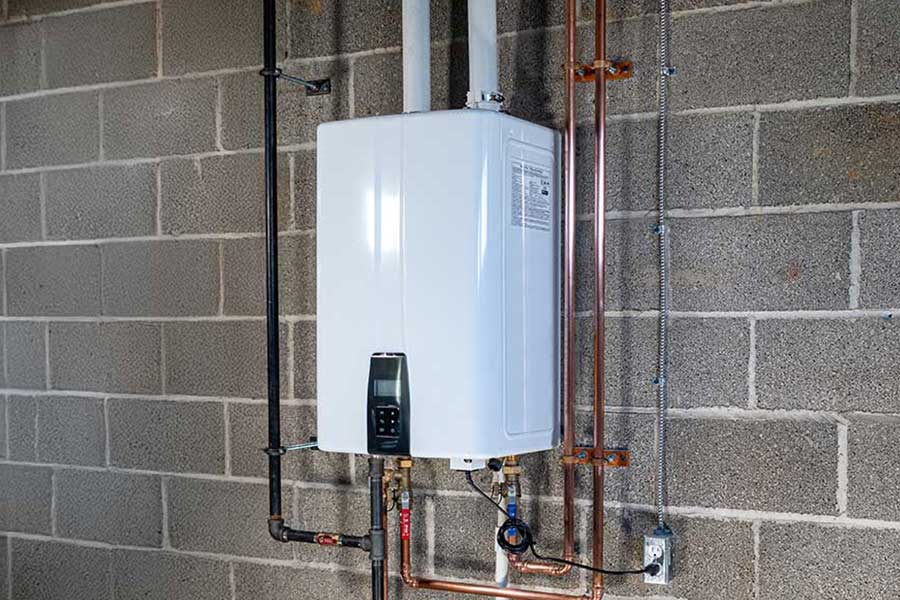
Key Points
- Tankless water heaters provide hot water on demand instead of storing a limited supply
- Most households need a unit rated at least 5 GPM to handle simultaneous use
- Proper installation depends on your existing gas or electric supply and local permitting
- Professional installation helps avoid code issues and ensures long-term efficiency
- Blaine’s building codes require permits and inspections for most water heater installations
As energy costs continue to climb, more homeowners are looking at tankless water heaters as a way to cut utility bills while keeping hot water flowing. Unlike a traditional tank system, a tankless unit heats water only when you need it, which can mean real savings over time.
Getting the right unit and installation matters just as much as the switch itself, though. Here’s what to know before upgrading your system in Blaine.
The Benefits of Going Tankless
Traditional water heaters keep a full tank hot around the clock, whether you’re using it or not. Tankless systems heat water only on demand, which means less wasted energy and no risk of running out during back-to-back showers or heavy appliance use.
Tankless units also tend to last longer than tank-style models, often exceeding 20 years with proper maintenance, and their compact size opens up installation options that a bulky tank simply can’t match. For many households in Blaine, that combination of efficiency and space savings is what makes the switch worthwhile.
Choosing the Right Size and Type
Picking the right unit starts with understanding your household’s hot water demand. Homes with multiple bathrooms or frequent simultaneous use, like running a shower and dishwasher at the same time, typically need a flow rate of at least 5 gallons per minute (GPM).
You’ll also need to decide between gas and electric models:
- Gas units generally heat water faster and can be more efficient for larger households
- Electric units are often simpler to install and work well for smaller homes with lower demand
Checking for an ENERGY STAR rating is a good way to confirm you’re choosing an efficient model regardless of fuel type.
What to Check Before Installation
Before installing a tankless unit, your current setup needs a closer look. In our service calls throughout Blaine, we routinely check the existing plumbing for signs of leaks or corrosion, since these issues can affect how well a new system performs. We also verify that your gas or electric supply can actually support a tankless unit, since demand differs significantly from a standard tank system.
Space matters too. Tankless units are more compact, but proper clearance and venting still need to be accounted for. A full plumbing inspection beforehand helps catch these details early, rather than mid-installation.
Permits, Codes, and Local Requirements
Blaine’s building codes cover installation requirements, venting, and gas line specifications for water heater upgrades, and permits are typically required for this kind of plumbing work. Skipping this step can create problems later, from failed inspections to safety concerns tied to gas connections or electrical work.
The U.S. Department of Energy notes that proper sizing and installation have a direct impact on how efficiently a tankless system performs over its lifespan. Working in homes across Blaine, we handle the permitting and code compliance directly, so homeowners don’t have to navigate city requirements on their own.
Why Professional Installation Matters
A tankless water heater installation involves more than swapping one unit for another. A qualified technician assesses your plumbing and electrical systems for compatibility, follows local code requirements, and sets the unit up to perform efficiently from day one.
Based on what we see in Blaine properties, the biggest issues tend to trace back to incorrect sizing or installation shortcuts taken to save time. A proper tankless water heater installation protects your investment and helps you get the full lifespan out of the unit, rather than dealing with early breakdowns or inconsistent performance.
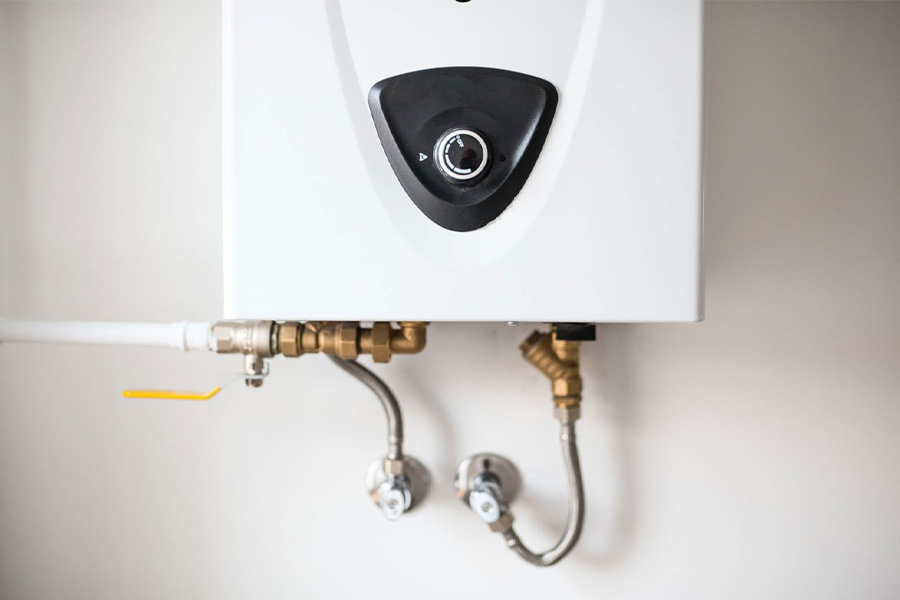
A Smarter Way to Heat Water in Blaine
Switching to a tankless system is one of the more effective upgrades homeowners can make for both comfort and long-term savings. Whether you’re replacing an aging tank unit or planning ahead for a remodel, getting the sizing, installation, and permitting right from the start makes all the difference.
O’Boys Plumbing, Heating & Air has helped homeowners throughout Blaine choose and install tankless systems built for their household’s needs. If your current water heater is due for an upgrade, contact our team today to talk through your options.
Frequently Asked Questions
How long do tankless water heaters typically last?
Most last over 20 years with proper maintenance, longer than standard tank units.
Do I need a permit to install a tankless water heater in Blaine?
Yes, permits are generally required for water heater installations under local building codes.
What flow rate do I need for my household?
Most homes need at least 5 GPM to handle simultaneous showers or appliance use.
Is a gas or electric tankless unit better?
It depends on your household size and existing utility setup; gas units heat faster, while electric units are often simpler to install.
Can I install a tankless water heater myself?
It’s not recommended. Proper sizing, code compliance, and gas or electrical connections require a licensed professional.