

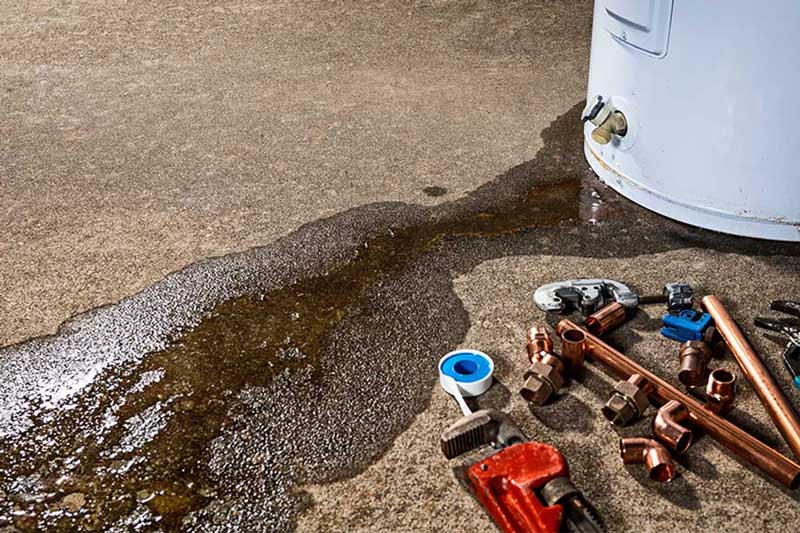
If you live in Minneapolis, MN, your water heater might be trying to tell you something. You could be facing issues like inconsistent water temperature or even discolored water, which are more common than you think. It’s important to pay attention to these signs. Ignoring them might lead to bigger problems down the line. So, what are the key indicators that your water heater needs repair? Let’s investigate.
Inconsistent Water Temperature
Have you noticed your showers feeling more like a game of temperature roulette? If your water heater isn’t keeping a consistent temperature, it could be a sign that something’s off. One moment, you’re enjoying a warm, relaxing rinse, and the next, you’re shocked by a blast of cold water.
This inconsistency can stem from a few issues, such as sediment buildup, a failing thermostat, or a malfunctioning heating element.
When your water heater can’t maintain a steady temperature, it can disrupt your daily routine and lead to unnecessary frustration. It’s crucial to address this problem promptly. Ignoring it might result in further damage or even complete failure of the unit.
Discolored or Rusty Water
If you notice discolored or rusty water coming from your taps, it’s a sign your water heater might be in trouble.
This discoloration can come from rust buildup inside your tank or pipes, and it can pose health risks if left unchecked.
Addressing the issue promptly is crucial to guarantee your water remains safe and clean.
Causes of Discoloration
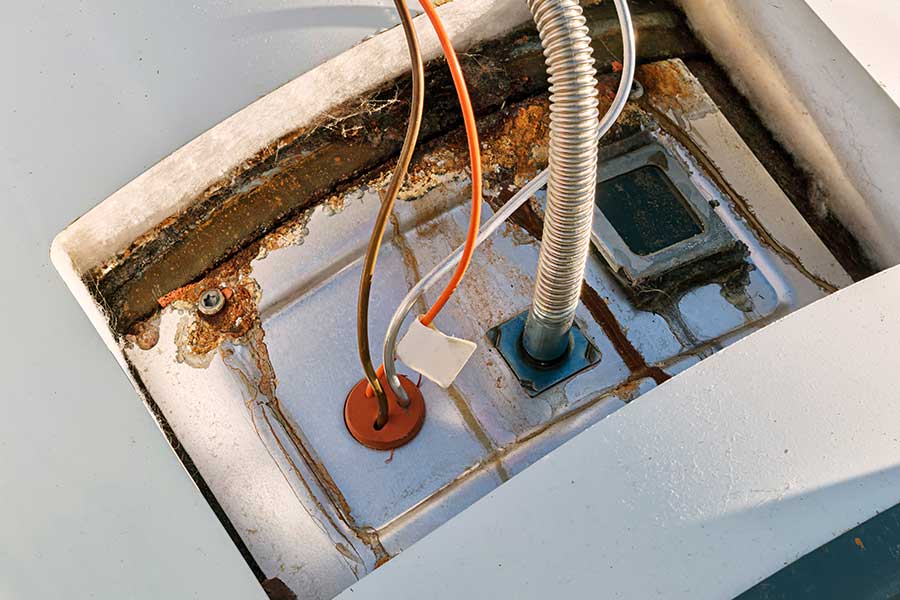
One of the most common causes of discolored or rusty water is corrosion in your water heater’s tank or pipes. Over time, minerals and sediment can build up, leading to deterioration.
If you notice brown or red hues in your water, it’s a clear sign that rust is present. Another potential cause is a reaction between your water supply and the materials in your plumbing system.
For example, if you have galvanized pipes, they may rust and affect the water quality. Moreover, if your water heater is older, it mightn’t be functioning efficiently, resulting in discoloration.
Regular maintenance can help prevent these issues, so it’s essential to keep an eye on your water quality and address any changes promptly.
Health Implications of Rust
Discolored or rusty water can pose several health risks that shouldn’t be overlooked. When your water supply contains rust, it may indicate the presence of harmful bacteria or contaminants. Consuming this water can lead to gastrointestinal issues, skin irritations, and even long-term health problems.
Rusty water can likewise affect your plumbing, leading to clogs and leaks, further compromising your water quality. If you notice a metallic taste or staining in your sinks and fixtures, it’s important to act quickly. Don’t ignore these signs—contact a professional to assess your water heater and plumbing system.
Ensuring your water’s safety is critical for your family’s health and well-being. Remember, clean water is fundamental for a healthy life.
Unusual Noises Coming From the Unit
If you hear banging or popping sounds coming from your water heater, it’s time to pay attention.
Hissing or whistling noises, along with constant dripping sounds, could indicate underlying issues that need fixing.
Ignoring these unusual noises might lead to more significant problems down the road.
Banging or Popping Sounds
When you hear banging or popping sounds coming from your water heater, it’s a clear sign that something’s off.
These noises often indicate that sediment has built up at the bottom of the tank. As water heats, it can bubble through this sediment, causing those disruptive sounds.
If left unaddressed, this buildup could lead to reduced efficiency and even damage your unit over time. You might also notice fluctuating water temperatures or longer heating times.
To resolve the issue, consider flushing the tank to remove the sediment. If you’re not comfortable doing this yourself, it’s wise to call a professional.
Ignoring these sounds could lead to bigger problems, so don’t wait to take action.
Hissing or Whistling Noises
Hissing or whistling noises from your water heater can signal a serious issue that needs attention.
These sounds often indicate that steam is escaping from the tank, which can happen when pressure builds up because of overheating or a malfunctioning thermostat.
If you hear such noises, it’s vital to act quickly. Ignoring these signs can lead to more significant problems, including leaks or even a tank burst.
Check for any visible leaks around the unit, and make sure the pressure relief valve is functioning properly.
If you can’t identify or resolve the issue, don’t hesitate to call a professional.
Timely repairs can save you from costly damages and guarantee your water heater operates safely and efficiently.
Constant Dripping Sounds
Constant dripping sounds from your water heater can be a clear indication of trouble brewing inside the unit. If you hear this noise, it’s time to pay attention.
Dripping could signal a leak, which might lead to water damage or mold growth if left untreated. It may as well suggest a faulty valve or a problem with the pressure relief valve. Ignoring these sounds can escalate minor issues into costly repairs.
You should inspect the area around your water heater for signs of moisture or pooling water. If you notice any, don’t hesitate to call a professional plumber.
Addressing these constant dripping sounds promptly can save you money and guarantee your water heater operates efficiently.
Leaks or Puddles Around the Water Heater
If you notice leaks or puddles around your water heater, it’s a clear sign that something’s wrong.
Water pooling at the base can indicate a few issues, such as a loose connection, a damaged valve, or even a cracked tank. Ignoring these leaks can lead to more significant problems, including water damage to your home or a complete failure of your water heater.
You should act quickly. First, turn off the power or gas supply to the unit to prevent any hazards.
Then, inspect the area for the source of the leak. If you’re unsure or if the leak persists, it’s best to call a professional plumber. They can accurately diagnose the issue and recommend the necessary repairs.
Foul Odors From Hot Water
A foul odor emanating from your hot water can be unsettling and may indicate a serious issue with your water heater.
If you notice a sulfur-like smell, it could mean bacteria are thriving in your tank, particularly if you have a water heater that hasn’t been used for a while. These bacteria can produce hydrogen sulfide gas, which not only smells bad but can also corrode your plumbing.
Another possible cause is the anode rod, which helps prevent corrosion inside the tank. If it’s deteriorating, it can release a metallic or rotten egg smell.
To address this, consider flushing your tank or replacing the anode rod. If the odor persists, it’s wise to consult a professional plumber.
Ignoring these smells can lead to more significant problems down the road, so it’s crucial to take action as soon as you detect any unpleasant scents from your hot water.
Increased Energy Bills
Unpleasant odors from your hot water can be just one sign that your water heater needs attention.
Another vital indicator is a noticeable spike in your energy bills. If you’ve noticed your monthly costs rising without any changes in your usage, your water heater might be the culprit. An inefficient unit often works harder to maintain the desired temperature, consuming more energy in the process.
This can happen because of sediment buildup, which hinders heat transfer, or faulty components that force the heater to run longer. Ignoring this issue could lead to even higher bills and further damage.
Check your energy bills regularly, and if you spot a trend, it’s time to investigate. You may need to flush the tank or call a professional for a thorough inspection.
Addressing these signs early can save you money and guarantee your water heater operates efficiently. Don’t let high bills drain your budget!
Age of the Water Heater
As your water heater ages, its efficiency and reliability can diminish considerably. Typically, water heaters last around 8 to 12 years, depending on the type and maintenance.
If yours is nearing or past this age, you might notice signs of wear, like inconsistent water temperatures or strange noises. It’s crucial to keep an eye on these symptoms, as they can indicate that repairs are needed or that it’s time for a replacement.
Older units often struggle to maintain peak heating, leading to higher energy bills and potential leaks. Ignoring these issues can lead to more significant problems down the line.
If you find yourself frequently calling for repairs, it might be more cost-effective to invest in a new water heater. Regular maintenance can extend its life, but when age becomes a factor, staying proactive will save you time and money in the long run.
Conclusion
If you notice any of these signs, don’t wait for the problem to worsen. Addressing issues like inconsistent water temperature or foul odors can save you money and guarantee your home’s water quality remains high. After all, who wants to deal with unexpected cold showers or costly repairs? Regular maintenance and timely repairs can extend your water heater’s life and keep your household running smoothly. Stay proactive, and your water heater will thank you!