

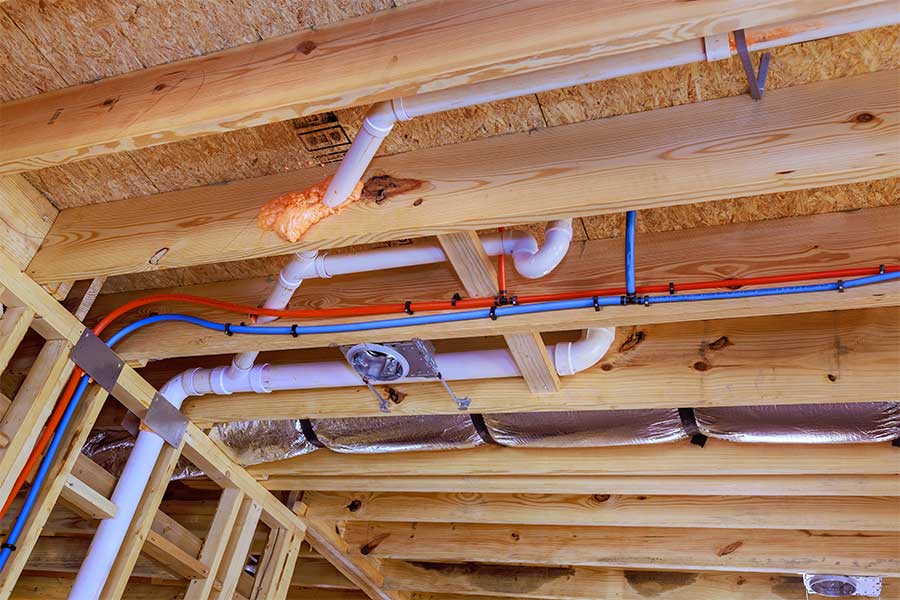
Frozen pipes are one of the most common and most preventable plumbing emergencies homeowners face during a Minnesota winter. In our service calls throughout Maple Grove, from properties near Elm Creek Park Reserve to homes bordering Fish Lake Regional Park, we see the same vulnerable spots freeze year after year, usually in basements, crawl spaces, and along exterior walls where insulation is thin. Below are five practical ways to protect your home’s plumbing this season, along with guidance on when a situation calls for a professional rather than a wait-and-see approach.
Insulate Your Plumbing Pipes for Winter
Insulating exposed pipes is one of the most effective ways to reduce the risk of freezing, particularly in unheated areas like basements and attics. Wrapping vulnerable sections with foam insulation sleeves or heat tape provides an added layer of protection during the coldest stretches of the season.
Outdoor faucets deserve special attention as well. Making sure they’re properly insulated and shut off from the main water supply before deep winter arrives is a simple step that prevents a surprisingly common source of frozen and burst pipes. Sealing gaps or cracks in the walls where pipes run helps close off another entry point for cold air. A plumbing inspection ahead of winter is a good way to identify which pipes in your home are most at risk before temperatures drop.
Prevent Ice Blockages in Your Pipes
Keeping water moving through pipes is one of the simplest ways to prevent them from freezing solid. Letting faucets drip slightly on especially cold nights helps maintain flow and reduces the likelihood of ice forming inside the line.
Opening cabinet doors under sinks in colder areas of the home allows warmer air to reach the plumbing underneath, which can make a meaningful difference in spaces that don’t get much ambient heat. Outdoor faucets should have their hoses disconnected and drained, since residual water left inside can freeze and cause damage. Regular checks for small leaks or cracks are also worth doing, since minor issues tend to become much bigger problems once temperatures drop below freezing.
Keep Your Home Warm: Tips for Indoor Heating
A consistently warm home is one of the best defenses against frozen pipes. Setting the thermostat to a steady temperature, generally around 68°F, helps avoid the kind of temperature swings that put extra strain on both the heating system and the plumbing running through the walls.
Keeping heating vents clear of furniture and drapes allows warm air to circulate properly throughout the home, reaching areas that might otherwise stay colder than the rest of the house. Sealing drafts around windows and doors with weather stripping or caulk closes off another path for cold air to reach nearby pipes, and insulating the basement and attic helps maintain more even warmth throughout the home. Scheduling routine furnace maintenance before winter fully sets in also reduces the risk of a heating system failure at the worst possible time.
Identify Vulnerable Areas in Your Home for Winter Protection
Beyond keeping a home generally warm, it helps to identify the specific areas most at risk of frozen pipes.
Uninsulated walls, especially those in basements, crawl spaces, and attics, are common trouble spots since these areas often stay colder than the rest of the house. Drafts around windows and doors deserve a close look too, since even small gaps can chill nearby pipes enough to cause problems. Exterior walls containing outdoor faucets are particularly vulnerable and often benefit from foam pipe insulation or heat tape. A professional evaluation can help pinpoint exactly which areas of a Maple Grove home need this kind of attention before the deep cold arrives.
How to Know When It’s Time to Call an Expert
Some plumbing issues are simple enough to address with basic precautions, but others call for professional attention right away.
A persistent leak, a sudden loss of water flow, or unusual noises coming from the pipes are all signs worth taking seriously. Frost visible on a pipe, or a pipe that has already started to freeze, is a clear warning sign that shouldn’t be ignored, since a frozen pipe can burst and cause significant water damage in a short amount of time. Our certified technicians are equipped to diagnose and resolve these issues quickly, and same-day emergency service means help is available when a pipe problem can’t wait.
Protecting Your Maple Grove Home This Winter
Preventing frozen pipes comes down to a combination of insulation, consistent heat, and knowing which areas of the home need the most attention. Taking these steps early, before the deepest cold of winter sets in, is far easier and less costly than dealing with a burst pipe after the fact. If you’re unsure whether your home is adequately protected, schedule your service today and we’ll help you get ahead of the season.